tracking attribution12 min read
Attribution Models Explained 2025
Understand different attribution models and learn which one is right for your business. From last-click to data-driven attribution.

David Kim
Creative Director | December 22, 2024
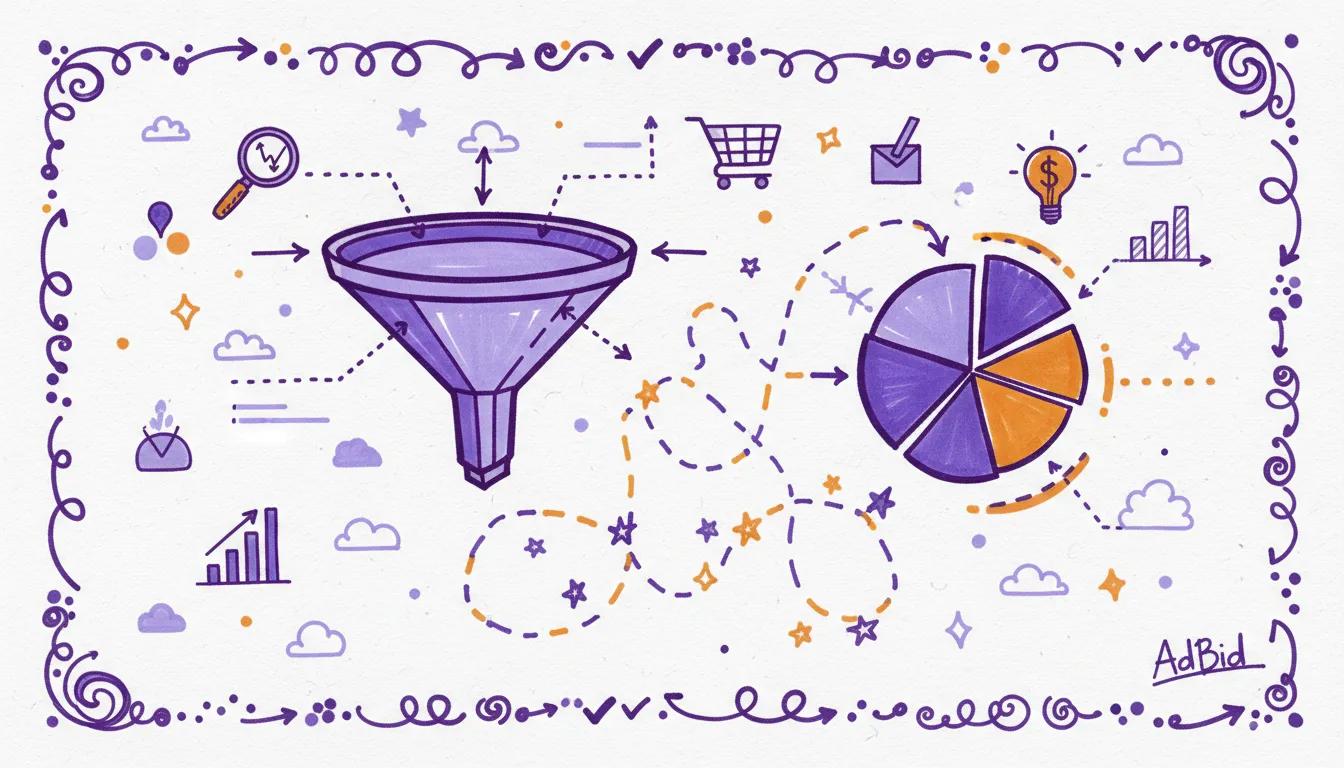
What is Attribution?
Attribution determines which marketing touchpoints get credit for conversions. In a world where customers interact with 6+ channels before buying, attribution is crucial.
Types of Attribution Models
Rule-Based Models
Last Click: 100% credit to final touchpoint- Pros: Simple, widely supported
- Cons: Ignores upper-funnel
- Pros: Values discovery
- Cons: Ignores conversion drivers
- Pros: Acknowledges full journey
- Cons: Not all touches are equal
- Pros: Balances recency
- Cons: May undervalue awareness
- Pros: Values start and end
- Cons: Arbitrary weighting
Data-Driven Attribution
Uses ML to assign credit based on actual conversion impact:
- Analyzes all conversion paths
- Learns from your specific data
- Updates as patterns change
Choosing the Right Model
| Business Type | Recommended Model |
|---|---|
| Short sales cycle | Last Click |
| Brand-heavy | Position-Based |
| Complex B2B | Data-Driven |
| DTC E-commerce | Data-Driven |
Implementation Best Practices
Get unified attribution across all channels. Learn about AdBid Analytics.
Ready to optimize your ad campaigns?
Try AdBid free for 14 days. No credit card required. See how AI-powered optimization can transform your advertising.
Related Articles
best practices
7 Best Facebook Ads Reporting Tools for Marketers in 2025
Dec 2, 2024
tracking attribution
Proven Ways to Increase ROAS in 2026
Jan 22, 2026
tracking attribution
Server-Side Tracking Guide 2026
Jan 20, 2026
guides
Marketing Analytics Dashboard Guide 2026
Jan 1, 2026
guides
Attribution Modeling Guide 2026: MTA & MMM
Jan 1, 2026

guides
Brand Awareness Advertising Guide 2026
Jan 1, 2026